Brand Ambassador Responsibilities: What the Role Includes
Define content, product knowledge, audience conversations, reporting and handoffs before an ambassador role becomes an open-ended commitment.
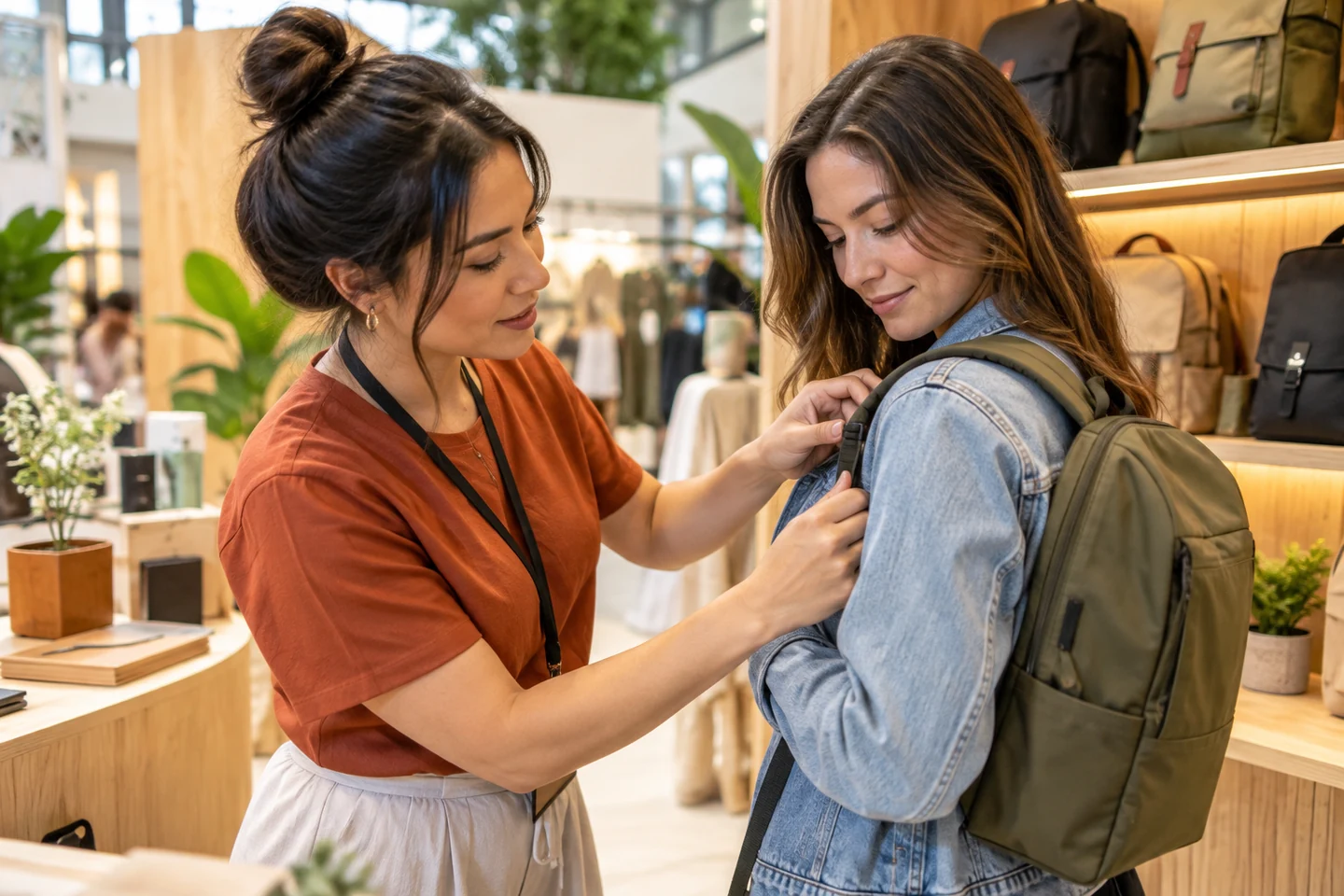
“Brand ambassador” can describe very different jobs. One person may create monthly videos, another may attend events, and another may help explain products to a community. Before accepting the title, turn it into a written responsibility list. That list should explain what you own, what the brand owns and when a question needs to be passed to someone else.
A well-defined role makes it easier to perform consistently. It also prevents a content agreement from quietly becoming an unlimited customer-service, event and sales role.
Learn the product and keep your knowledge current
Ask for current product information, approved factual claims, instructions and a contact for technical questions. Use the product in the situations you plan to show. If a new version or feature is introduced, confirm what has changed before repeating an older explanation.
Maintain a simple knowledge note with frequently asked questions and verified answers. Separate your own experience from information supplied by the brand. If you do not know an answer, say so and obtain it rather than guessing in public.
Create the agreed content
Recurring content needs planning time, product access and a review process. Confirm the number of concepts and outputs, where they will appear and how much notice the brand will provide for new requests. Include any agreed event coverage or live sessions in the schedule.
Keep a record of published work with links and dates. If content must stay live for a particular period, record that requirement. If a post needs a correction, follow the agreed process and tell the brand what changed.
Handle audience conversations responsibly
Define what “community engagement” means in the agreement. It may mean answering a limited set of product questions under your own posts, not monitoring the brand's messages all day. Agree on response windows, topics you can answer and situations that require escalation.
For example, you might explain how you pack a travel bag, but a damaged-item complaint should go to the brand's support team. Avoid asking someone to post order numbers or other personal details in a public comment. Provide the official support route when you know it.
Represent the partnership accurately
Use clear disclosure appropriate to the campaign and market, and keep endorsements consistent with your real experience. The FTC's U.S. guidance is a useful reference for disclosure placement; other jurisdictions may have additional requirements.
Ask the brand how it wants ambassadors to handle product concerns, errors or sensitive questions. This should support accurate communication, not require you to conceal a problem or invent a positive experience.
Report useful observations
- Delivery: what was produced, approved and published?
- Audience questions: what did people ask repeatedly?
- Content response: what did the available platform metrics show within the agreed reporting window?
- Product feedback: which practical issues or useful features appeared during real use?
- Next ideas: which questions deserve a demonstration or follow-up?
Keep the report proportionate to the role. A short monthly summary may be enough for a small program. Do not send private messages or personal audience information as reporting evidence without an appropriate basis and permission.
Use a responsibility handoff
For each recurring task, write the action, owner, deadline and escalation contact. A simple example is: ambassador drafts the demonstration; brand verifies product facts; ambassador supplies the final edit; brand confirms publishing approval. Everyone can then see which decision is holding up the next step.
Your next step: ask for a responsibility review before the first month begins. Resolve vague phrases such as “support the brand” and “engage regularly” into specific, realistic tasks. The strongest ambassador relationships make expectations visible from the start.
Sources & further reading
- Disclosures 101 for Social Media InfluencersU.S. Federal Trade Commission
Build on what you’ve learned.

What Brands Expect from Their Ambassadors
Agree on product knowledge, dependable delivery, public judgment and useful creative initiative throughout an ambassador partnership.
Read article
Planning a Brand Ambassador Content Calendar
Build a varied monthly sequence with clear content roles, production dependencies, review owners and room for audience questions.
Read article
UGC Disclosure and Compliance: Paid, Gifted and Affiliate Content
A practical disclosure guide for paid UGC, gifted products, endorsements and affiliate content across global campaigns.
Read article