How to Become a UGC Creator: A Step-by-Step Roadmap
A practical roadmap for starting as a UGC Creator, from choosing niches and making samples to pricing, applying for jobs and building repeat Brand relationships.
Updated
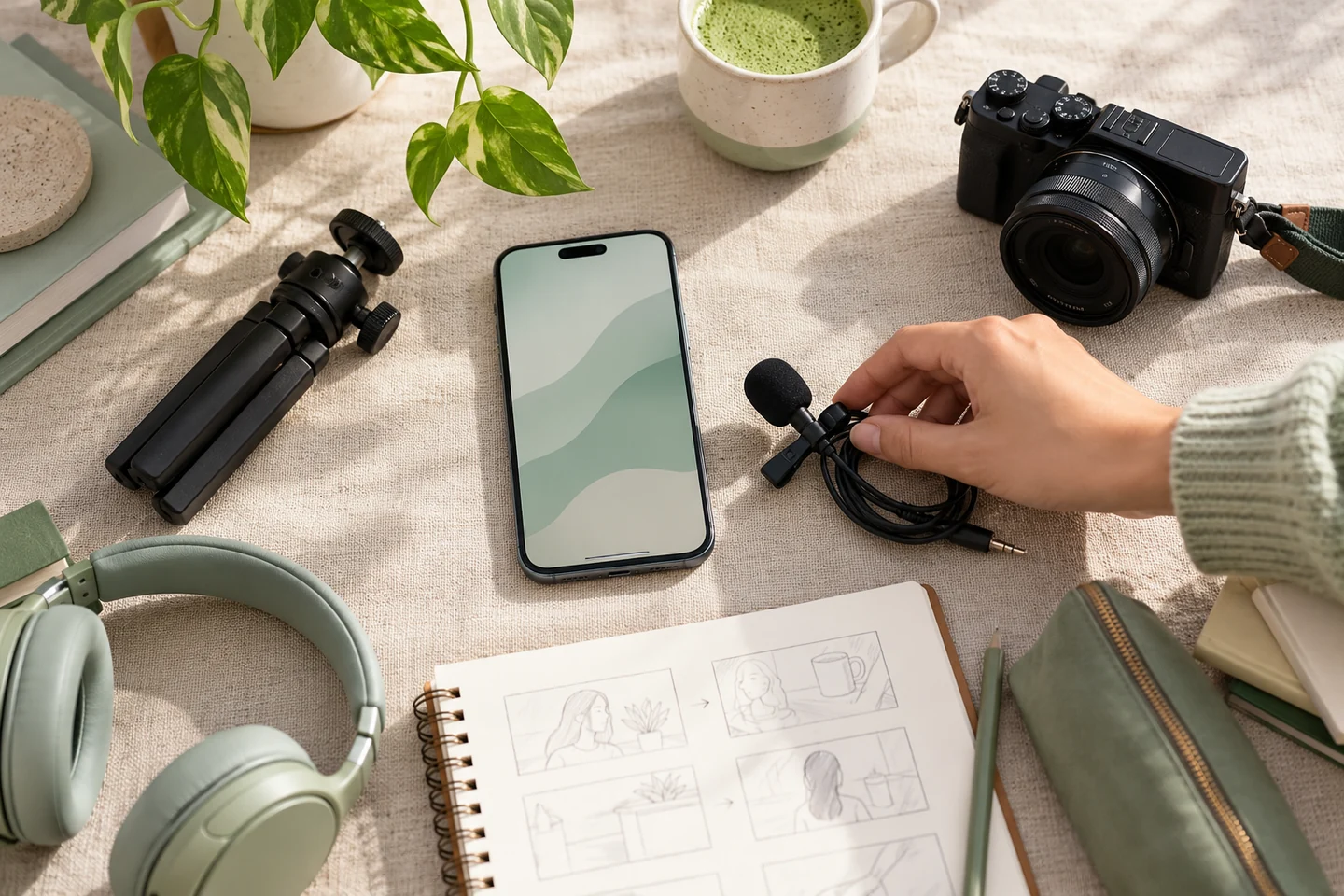
You do not need a celebrity-sized following to begin creating UGC professionally. You do need proof that you can communicate clearly on camera or through visual storytelling, deliver usable files, follow a brief and behave like a dependable service provider. The fastest route is to build evidence of those skills before waiting for a Brand to take a chance on you.
The core idea behind becoming a UGC Creator
Becoming a UGC Creator is closer to starting a small creative service business than to waiting to “be discovered.” Choose a few areas you understand, create sample work, package your services, build a profile and portfolio, learn how rights and revisions work, then consistently apply for suitable opportunities.
Why it matters for modern UGC
The barrier to entry is relatively low because modern smartphones can produce excellent vertical video, but the professional standard is higher than simply pressing record. Brands are buying clarity, speed, trust, creativity and reliability. Creators who treat those elements as a system can compete even before they have a long client list.
How Brands should approach it
Brands hiring newer Creators should look for evidence of preparation rather than only paid client work. A well-made spec demo, a strong talking-head sample and clear communication can show potential. Define the brief and review expectations clearly so a newer Creator knows what success looks like.
How Creators can execute it well
Start with three to six samples that demonstrate different skills. Use products you already own and never imply a paid partnership that does not exist. Build a professional bio, list your location and useful characteristics, set a starting rate, and practice short introductions. Then apply selectively to jobs where your style and circumstances actually fit the Brand’s request.
A practical workflow
A useful first-month plan is: week one, choose niches and study good short-form creative; week two, make and edit portfolio samples; week three, publish your Creator profile and rate structure; week four, apply to relevant jobs and improve your pitch based on responses. Continue replacing weaker samples with stronger paid work as it arrives.
Common mistakes to avoid
Avoid buying unnecessary equipment before mastering light, sound and framing. Do not send the same generic pitch to every Brand, do not accept every category just to get work, and do not undervalue perpetual or paid-ad rights. Most importantly, never fabricate results, testimonials or Brand relationships.
Practical checklist
- Pick two or three credible niches
- Create multiple spec portfolio samples
- Write a concise Creator bio and pitch
- Set a base rate and common add-ons
- Learn disclosure and usage-right basics
- Apply consistently and track outcomes
Measure, learn and improve
Early progress is best measured by portfolio quality, qualified applications, replies, interviews, first hires and repeat work. A small number of strong commercial relationships is more valuable than a large number of low-fit applications.
Put it into practice with UGCHost
UGCHost is built to connect the strategy in this guide to a working marketplace. Brands can browse UGC Creators, launch Creator campaigns and manage work from brief to approval. Creators can build a professional UGCHost profile, discover opportunities and develop repeat Brand relationships. If you are new to the platform, start with How UGCHost Works.
Related UGCHost reading
Sources & further reading
- Creating Helpful, Reliable, People-First ContentGoogle Search Central
- TikTok For Business Creative CenterTikTok For Business
- Disclosures 101 for Social Media InfluencersU.S. Federal Trade Commission
Build on what you’ve learned.

Turning a Group Campaign into a Lasting Brand Partnership
Use a structured debrief to choose the next team, sharpen the content plan and build a sustainable rhythm for repeat brand work.
Read article
Splitting Roles, Payment and Credit in Creator Collaborations
Make production work visible, define payment arrangements and agree on credit, usage and approvals before a joint commission begins.
Read article
Coordinating a Multi-Creator Product Launch
Work backward from launch day to organize product delivery, approvals, publishing windows, corrections and post-launch support.
Read article